
Phuket Micro Adventure: Small Trips Locals Actually Take

What Makes a Micro Adventure? Not every day calls for a big plan. Sometimes, all you want is a short break — something that doesn’t need packing, booking, or waking up at 5 a.m. Just a few hours outside, breathing new air, doing something simple but good. That’s what a Phuket micro adventure is all about. In fact, these quick getaways are becoming a favorite way to enjoy the island — especially for those who prefer freedom over fixed schedules. Why It Works So Well in Phuket Phuket’s geography makes this easy. Everything is close — beaches, trails, viewpoints, markets. You could leave home late in the morning, paddleboard in Ao Yon, grab noodles in Old Town, watch the sunset from Windmill Viewpoint, and still be home for dinner. As a result, you don’t need a full-day plan to feel like you’ve traveled. You just need a few free hours — and a little curiosity. Real Adventures, Just Shorter Some mornings are perfect for heading to Promthep Cape at sunrise. It’s quiet, the view is stunning, and you’ll likely have the place to yourself. Other times, you might hike up to Black Rock. While the trail is steep, it only takes about 20 minutes — and the view is worth every step. You could also walk through a different neighborhood in Phuket Old Town and try food you’ve never tasted before. For example, a local roti shop or a small stall selling spicy kanom jeen. It’s simple, it’s quick, and it’s real. Who Are Micro Adventures For? The beauty of Phuket micro adventures is that they suit everyone. Remote workers who want a screen break. Tourists with free time before a flight. Locals who’ve seen the same beach too many times. Or even someone who just wants to walk, breathe, and feel better — without overthinking it. Although these trips are short, they leave a real impact. They don’t take much effort, but they give you the feeling of having truly done something with your day. How to Start Your Own You don’t need a plan. Just pick a spot within 30 minutes of where you are — maybe a beach you’ve never visited, a trail you’ve always ignored, or a local stall you’ve never tried. Go. Stay a little. Notice more than usual. Also, if you ask someone local for ideas, you’ll often end up with something better than what’s on Google Maps. Need Help Finding One? 💬 Message us on Facebook — we’ll suggest Phuket micro adventures that fit your day, mood, and style. 🛥️ Want something short and scenic by sea?Check out half-day private boat trips and charters here:🔗 https://www.loveandaman.com/page-sitemap.xml
Andaman Forest and Mangrove Trails: Nature Spots You Should See
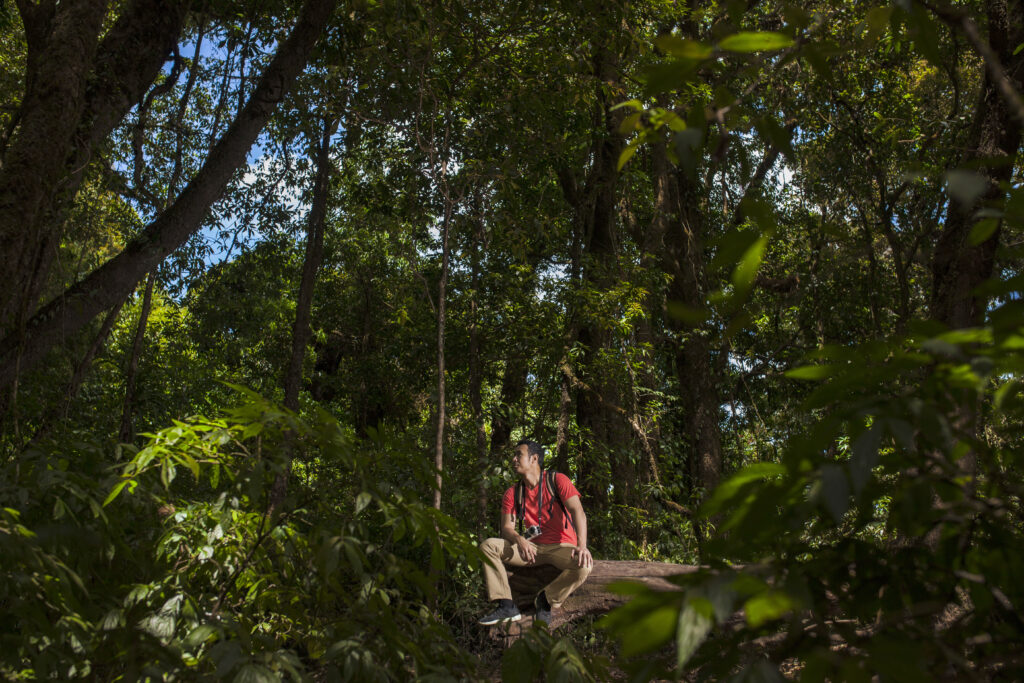
🌿 Why Andaman Forest and Mangrove Trails Are Worth Visiting Andaman forest and mangrove trails offer a different side of southern Thailand. While the region is famous for beaches and islands, these forested paths provide peaceful, eco-friendly experiences that are easy to reach and worth exploring. 🌳 Why These Ecosystems Matter Andaman’s tropical rainforests and mangrove forests do more than look beautiful. They protect coastlines from erosion, serve as breeding grounds for marine life, and absorb carbon from the atmosphere. Walking through these areas is not just scenic — it’s a way to understand the natural systems that keep the region healthy. 📍 Top Andaman Forest and Mangrove Trails to Explore 1. Klong Sang Wildlife Sanctuary – Surat Thani A lesser-known gem with dense forest, large trees, and a chance to see hornbills or wild animals in their natural habitat. The trails are quiet and feel untouched. 2. Ban Tha Din Daeng Mangrove Walkway – Phang Nga This wooden walkway winds through thick mangrove forest. It’s perfect for a relaxed stroll and often visited by local birdwatchers. The setting is peaceful, with great views during golden hour. 3. Khao Sok National Park – Surat Thani Famous for Cheow Lan Lake, but the park’s riverside trails and lowland rainforest also offer rich forest experiences. Look for orchids, gibbons, and rare fungi under the canopy. 4. Thung Talay Forest Park – Trang Well-maintained and family-friendly, this forest park is ideal for a half-day trip. Signboards explain the plants and animals you’ll see, and the mangroves here are impressively pristine. 🐦 What to Expect on the Trails These trails are alive with sound and movement. Birds dart between trees, mudskippers wriggle through wet soil, and monkeys might watch from a distance. You’ll walk through shaded paths, raised wooden boardwalks, and dense vegetation where roots rise above the waterline. Best time to visit: Early morning or late afternoon — temperatures are cooler, and animals are more active during these times. 🌱 Tips for a Responsible Visit To keep these ecosystems thriving and your experience enjoyable: 🧭 How to Get There These sites are reachable from major destinations like Phuket, Phang Nga, Krabi, or Surat Thani. You can self-drive or book a nature tour that includes forest walks or mangrove kayaking. Many eco-tours combine both land and sea activities in one trip. 🌿 Add a Green Stop to Your Itinerary Beaches are just one side of the Andaman. The forests offer something different: calm, shade, and the sense of being surrounded by something ancient and alive. Whether you have a free morning or want to balance your island-hopping with a walk in the woods, these trails are a great way to connect with Thailand’s natural side. 📩 Need Help Planning? Want to explore mangrove forests or add a nature trail to your trip?💬 Message our team on Facebook — we’ll help you find the best routes, guides, or tours. 🛥️ Looking to combine forest walks with island tours?See all private boat and day trip options with Love Andaman:🔗 https://www.loveandaman.com/page-sitemap.xml
Phang Nga Bay: A Place Full of History and Beauty
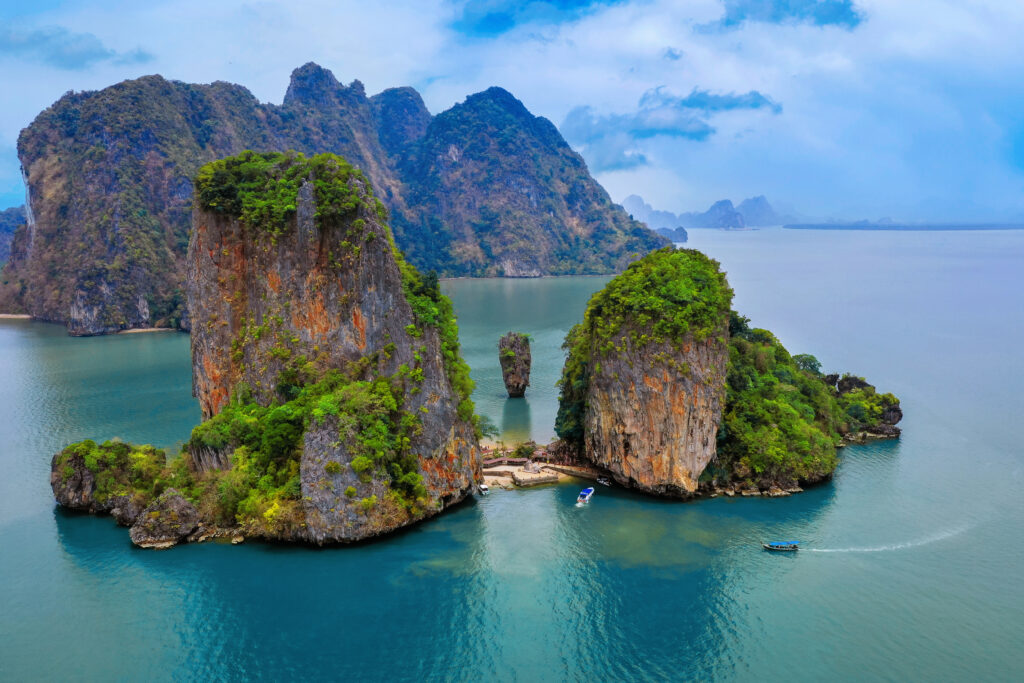
Phang Nga Bay is one of Thailand’s most remarkable destinations. Known for its towering limestone cliffs, emerald-green waters, and hidden caves, the bay offers more than just natural beauty — it also tells stories of local communities, history, and marine biodiversity. 🌄 Nature Shaped Over Millions of Years The bay’s dramatic karst formations were created by erosion and tectonic movement over time. Today, it features dozens of small islands, sea caves, and vertical cliffs. The area is protected as part of Ao Phang Nga National Park, which helps preserve the mangroves, marine ecosystems, and native species. 🛖 Real Life at Koh Panyee Koh Panyee is a floating Muslim village built on stilts over the sea. Founded over 200 years ago, the village is home to seafood markets, small shops, and even a floating football pitch. Visitors can explore the village and experience everyday coastal life in southern Thailand. 🪨 James Bond Island and Sea Caves James Bond Island (Koh Tapu) became famous after appearing in The Man with the Golden Gun. It’s one of the bay’s most photographed spots. Nearby, you can paddle into caves like Tham Lod, where stalactites hang from the ceiling and seawater flows beneath. Archaeological signs show the area was once used by early sea travelers. 🌿 Eco-Friendly Exploration Phang Nga Bay is perfect for responsible travel. Many tours offer kayaking in mangrove forests, birdwatching, or guided clean-up activities. Operators are moving away from noisy engines and avoiding fragile areas to protect the bay’s ecosystem. 🧭 When to Visit 🔚 More Than Just Scenery Phang Nga Bay is not just a beautiful place — it’s a living, breathing region filled with culture, nature, and history. It’s where land, sea, and people connect in harmony. 📩 Plan Your Trip with Us Want a private boat tour or customized experience in Phang Nga Bay?💬 Message our team on Facebook 🛥️ Prefer a luxury boat charter or multi-island tour?Explore more with Love Andaman:🔗 https://www.loveandaman.com/page-sitemap.xml
What We’ve Learned from Major Events in Phuket

Key Lessons from Real Experiences on the Island Event planning in Phuket involves more than picking a beautiful beach or luxurious resort. The island has hosted everything from yacht shows and cultural festivals to high-end corporate retreats — and while many have been successful, none were without challenges. Drawing from real-world case studies and local expertise, this post reveals the key lessons learned from major events in Phuket and how to apply them to your next successful gathering. 1. Weather and Season Planning in Phuket Events What happened: Events during the dry season (Nov–Apr) saw higher turnout and smoother execution. In contrast, those held during the green season faced rain delays, tent collapses, and lighting issues. What we learned: Avoid outdoor-heavy programs during unpredictable months. If unavoidable, invest in proper rain cover and plan for fast transitions. 2. Why Local Insight Is Vital for Event Planning in Phuket What happened: Events that involved local planners early — for permits, cultural guidance, and supplier coordination — avoided last-minute surprises. What we learned: Even well-funded international teams can miss critical local details. Align with a Phuket-based partner from the start. It saves time, cost, and stress. 3. Transport and Guest Movement Need Precision What happened: Events in Kamala and Cape Panwa experienced long delays because of narrow roads, traffic, or lack of shuttle coordination. What we learned: Don’t underestimate island logistics. Provide coordinated transfers, allocate enough time between activities, and avoid peak traffic hours. 4. Tech Setup Should Be Triple-Checked What happened: Some beachfront events failed to account for power access, salt air affecting gear, or poor sound quality in open spaces. What we learned: Outdoor AV requires specialist support. Do sound checks at the actual site and time of day. Backup power is a must. 5. Experience Matters More Than Aesthetics What happened: Some luxury events spent heavily on décor but forgot guest comfort — no shade, few restrooms, or long waits during transitions. What we learned: The most memorable events are well-paced, comfortable, and thoughtful. Small details like hydration, shade, and flow matter more than you think. Summary: Phuket Rewards Those Who Prepare The success of major events in Phuket doesn’t come from budget alone — it comes from strategic planning, local alignment, and respect for the environment. Each lesson shared above has helped planners elevate their next event. If you’re organizing something big in Phuket, these insights will help you build an event that feels effortless to guests — and is headache-free behind the scenes. 💬 Need expert support for your next event planning in Phuket? Message us at Facebook — we’ll help you avoid the pitfalls and deliver with confidence. 🛥️ Add an island experience? See premium options from Love Andaman or their full services here:🔗 https://www.loveandaman.com/page-sitemap.xml
Phuket and Its Global Connection: Events That Bridge Cultures and Communities

Phuket is more than just a popular tourist destination — it’s a place where global cultures meet, mix, and grow together. Known for its beaches and nightlife, the island is also home to a rich cultural identity shaped by centuries of trade, migration, and hospitality. Today, Phuket cultural events have become platforms for connection — between locals and visitors, East and West, tradition and innovation. Whether it’s a large-scale international festival or a community-led celebration, events in Phuket often do more than entertain. They tell stories, invite collaboration, and bring people together across borders. 🌍 A Crossroads of Cultures Phuket’s history as a trading hub brought in influences from China, Portugal, India, and the Middle East — all of which are still reflected in the island’s architecture, cuisine, and customs. This multicultural heritage has made Phuket an ideal stage for events that celebrate global diversity. From traditional Thai ceremonies to international music and food festivals, the island supports a wide variety of events that attract both local and international participants. 🎉 Events That Connect Here are just a few examples of Phuket cultural events that foster global exchange and community: 🤝 How Events Build Community Events in Phuket don’t just celebrate culture — they build culture. By bringing people together around shared experiences, they help foster dialogue and respect between different groups. Tourists learn from locals. Locals benefit from new ideas and economic opportunity. Artists, chefs, and entrepreneurs from various backgrounds collaborate and grow. Whether it’s a beachfront sustainability conference or a cultural performance at a school fair, every event that blends global and local input helps strengthen Phuket’s identity as a welcoming, connected island. 🧭 Why This Matters for Planners and Brands For organizations hosting events in Phuket — whether corporate retreats, product launches, or creative festivals — tapping into the island’s global-local dynamic adds real value. It deepens engagement, builds authenticity, and leaves a lasting impression on attendees. By aligning your event with Phuket cultural events or involving local partners and traditions, you create something more than just a gathering — you help bridge worlds. 🌏 Phuket: A Global Island With Local Heart Phuket is proof that global connection doesn’t have to mean cultural dilution. In fact, when done right, it strengthens communities. The island’s events continue to reflect this — as places where people celebrate who they are, and learn from those who are different. Whether you’re planning an event, attending one, or just exploring, take time to notice how Phuket brings cultures together. That’s where the true experience lies. 💬 Want help organizing a cultural or cross-border event in Phuket? Message our team on Facebook — we’ll help you connect your event to Phuket’s heart and heritage. 🛥️ Interested in adding a private boat experience or island venue? Check out Love Andaman or explore their full event-friendly services here:🔗 https://www.loveandaman.com/page-sitemap.xml
Essential Checklist Before Hosting an Outdoor Event in Phuket: Don’t Forget These!

Hosting an outdoor event in Phuket sounds like a dream — turquoise seas, golden sunsets, and palm-fringed beaches set the stage for unforgettable moments. But while the scenery is stunning, outdoor events come with unique challenges. Weather, permits, comfort, and timing all play a crucial role in making sure things go smoothly. Before you set the date and send out invites, use this essential checklist to make sure your outdoor event in Phuket is as seamless as it is beautiful. ✅ 1. Understand the Weather and Choose the Right Season Phuket has two main seasons: the dry season (November–April) and the green season (May–October). While events can happen year-round, it’s safest to plan during the dry months when there’s less chance of sudden rain or strong winds. Always check tide schedules for beachfront venues and build flexibility into your event timing in case of weather shifts. ✅ 2. Secure Permits and Local Approvals For public beach events, weddings, or corporate gatherings, you may need official permission from local authorities or the municipality. This is especially important if your event includes music, lighting, structures, or alcohol service. Working with a local planner or DMC helps ensure you stay compliant and avoid last-minute disruptions. ✅ 3. Conduct a Site Visit at the Actual Event Time Visiting the venue is a must — but make sure you do it at the same time of day your event will be held. Why? Because lighting, tides, shadows, and even wind conditions can change dramatically throughout the day. What looks perfect at noon may be unusable at 6 PM. A site visit helps you plan layout, power setup, and guest flow accurately. ✅ 4. Arrange Proper Cover and Rain Contingency Plans Even during dry season, weather can be unpredictable. Always have tents, covered areas, or indoor backup plans in place. Shade is also important for mid-day events — especially for guests who are not used to heat and sun. Comfort = better engagement and a better overall experience. ✅ 5. Coordinate Power, Lighting, and Sound Early Outdoor venues don’t always come equipped with electricity, so you’ll likely need generators and external lighting. Test all systems in advance, including sound checks if you have music or speeches. Be mindful of power cables, safety, and how the setup will look once the sun sets. ✅ 6. Plan for Guest Comfort and Accessibility Think about walking paths, restroom access, insect control, hydration, and seating. If your venue is remote or on sand, consider flooring or accessible paths. For evening events, provide lighting and insect repellent. VIP guests or elderly attendees may require shaded rest areas, golf carts, or dedicated support staff. ✅ 7. Check Vendor Delivery and Setup Timing Some venues restrict when vendors can enter or how long setup can take. Discuss logistics early — including delivery routes, parking, and storage. Remote or beachfront venues often have limited access windows, especially if tides are involved. Make sure all your vendors are briefed. ✅ 8. Have a Dedicated On-Site Coordinator Don’t rely on remote control. Assign someone to manage the timeline, vendor arrival, guest movement, and last-minute adjustments. For high-end or complex events, a local coordinator ensures issues are handled discreetly without disturbing the guest experience. 📝 Final Tip: Prepare for the Expected — and the Unexpected Phuket is a spectacular place for outdoor events, but success comes from preparation. By checking off these essentials, you’ll avoid the common issues and ensure a smooth, enjoyable event for all. The best events feel effortless — because everything behind the scenes was carefully planned. 💬 Need help planning your outdoor event in Phuket? Message our local team on Facebook. From permits to tents to tide-timed timelines — we’ve got your back. 🛥️ Want to include a boat or island activity in your event? Visit Love Andaman or check out their full service list here:🔗 https://www.loveandaman.com/page-sitemap.xml
Tips for Coordinating Seamless VIP Experiences in Remote Locations

Coordinating VIP experiences in remote locations is never simple — and when the destination is remote, the stakes are even higher. Whether you’re hosting high-profile clients on a private island, arranging an executive retreat in the mountains, or managing luxury charters in the Andaman Sea, attention to detail and preparation make all the difference. Remote destinations come with incredible backdrops — but also logistical challenges. Here’s how to ensure that VIP experiences in remote locations feel effortless, exclusive, and problem-free. 1. Anticipate Every Logistical Step — Then Add a Backup VIPs expect smooth transitions from airport to destination, and from one activity to the next. In remote areas, transportation is rarely straightforward. Factor in multiple modes — such as flights, boats, or 4x4s — and plan clear handoffs. Always have contingency options in case of weather delays or mechanical issues. Confirm all vendors twice. Build buffer time into the schedule without making it feel padded. The more seamless the movement, the more premium the experience. 2. Vet All Local Partners Carefully Remote locations often rely on small, independent operators. That’s not a problem — unless reliability is an issue. Work only with partners who are experienced with high-end guests. Visit their facilities in person if possible. Look at how they maintain vehicles, staff their boats, or handle equipment. Inconsistent service or safety lapses can undermine the entire experience. Choose vendors who understand discretion, flexibility, and time sensitivity. 3. Provide Comfort and Connectivity — Even in the Middle of Nowhere VIP guests may be in a jungle, on a yacht, or in a quiet bay — but that doesn’t mean they want to feel cut off. Ensure that Wi-Fi, mobile coverage, or satellite connectivity is available where possible. Provide reliable climate control, charging stations, private bathrooms, and shaded areas, especially in tropical or high-altitude zones. Thoughtful touches like cold towels, refreshments on arrival, or custom welcome kits make a strong impression, especially when the environment is rugged or far from urban centers. 4. Use a Lead Coordinator Who Can Adapt in Real Time In remote settings, things can change fast. That’s why you need a senior coordinator onsite who understands the full plan and has decision-making authority. They must be able to adjust the timeline, solve problems quietly, and manage staff without disrupting the guest experience. Remote events don’t allow for long waits or corporate approval chains. Empower someone who knows when to stick to plan and when to pivot — smoothly and confidently. 5. Respect the Setting — But Deliver on Expectations High-end guests choose remote locations for peace, beauty, and exclusivity. But that doesn’t mean sacrificing quality. Your job is to deliver a five-star experience without disturbing the environment or local communities. Use eco-conscious materials, avoid overbooking fragile areas, and communicate respectfully with local stakeholders. Balancing authenticity and comfort is key. VIPs appreciate destinations that feel untouched — but they still expect top-tier service. ✨ Great VIP Experiences Feel Effortless — Even in Remote Areas It takes more than luxury to impress high-profile guests. It takes planning, precision, and the ability to deliver under pressure. By thinking ahead, working with trusted partners, and building flexibility into every step, you can create VIP experiences in remote locations that feel smooth, exclusive, and unforgettable. 💬 Need help coordinating luxury experiences in the Andaman region? Message our team via Facebook — we specialize in private charters, island events, and seamless logistics in remote settings. 🛥️ Want to include a private boat or island transfer? Check out Love Andaman for curated options or browse their complete service list:🔗 https://www.loveandaman.com/page-sitemap.xml
Designing Event Timelines That Work with Phuket’s Natural Light

Phuket offers stunning natural beauty — golden beaches, lush landscapes, and some of the best sunsets in Thailand. But if you want your event to flow smoothly, your event timeline in Phuket needs to match the light. One of the most important (and often overlooked) factors in planning successful events here is understanding natural light. Whether you’re organizing a beach wedding, a corporate dinner, or a private celebration, understanding how daylight works in Phuket can make the difference between smooth flow and avoidable disruptions. Here’s how to design event timelines in Phuket that match the island’s light — and enhance the overall experience. 1. Know the Sun’s Schedule — It Changes Fast Phuket is close to the equator, which means sunrise and sunset times don’t vary dramatically through the year — but they do shift enough to affect events. Sunrise typically happens between 6:00 AM and 6:45 AM, and sunset falls between 6:15 PM and 6:45 PM, depending on the season. This gives you limited golden-hour opportunities for photos or ceremonies. If your event relies on natural lighting — such as beachfront photos, outdoor vows, or pre-dinner cocktails — your schedule needs to work with the light, not against it. 2. Golden Hour = Prime Time Golden hour in Phuket — the soft, warm light just before sunset — usually begins around 5:30 PM. It lasts less than an hour but offers the most flattering light for photography and ambiance. If you’re planning a beach wedding or launch event with media coverage, make sure all key visual moments happen during this window. Schedule your welcome drinks or group photos between 5:15–6:00 PM, before the light disappears. Once the sun sets, the mood shifts, and lighting must be artificial. 3. Start Early for Morning Events Morning light in Phuket is bright and clean — perfect for wellness sessions, ceremonies, or product launches. However, by 10:00 AM, heat and humidity ramp up quickly. For daytime outdoor events, the best timeframe is usually 7:00 AM to 9:30 AM. After that, guests may feel uncomfortable, and photography becomes harsh. Build your timeline to capture the cool, clear light early in the day — and plan indoor or shaded transitions afterward. 4. Don’t Rely on Sunset for the Main Program It’s common for organizers to set the main event (like dinner or speeches) right at sunset. But here’s the issue: once the sun goes down, visibility drops fast, especially on the beach. Without proper lighting already in place, things can feel disorganized or even unsafe. Instead, use sunset as a transition point in your timeline — a natural moment to shift from photos to dinner, or from welcome drinks to the seated portion of the event. Ensure lighting crews have everything ready before sundown so your guests never feel like they’re waiting in the dark. 5. Use Natural Light to Enhance Flow Rather than fighting the sun, let it shape your event. Use sunrise or sunset as intentional milestones in your schedule — a quiet start, a photo moment, or a natural end to a segment. This not only helps with logistics but adds rhythm to the event. Also, think about where shadows fall. A venue might look great at noon but be entirely backlit at 5 PM. Walk the site at the same time your event will take place to spot any surprises. 📅 Plan Smart, Not Just Beautiful Phuket’s natural light is one of its best features — but only if you plan around it. The right event timeline in Phuket doesn’t just keep things on track; it makes the most of what the island has to offer. Work with the light, build around it, and your event will feel effortless, natural, and unforgettable. 💬 Need help building your Phuket event schedule? Message our local team on Facebook — we’ll help plan a timeline that aligns with both your goals and the natural environment. 🛥️ Want to include a boat trip or seaside venue? Visit Love Andaman or view the full service list here:🔗 https://www.loveandaman.com/page-sitemap.xml
How to Balance Work and Leisure During Corporate Retreats in Phuket

Corporate retreats in Phuket are most effective when they provide space for both productivity and rest. This popular destination for company offsites offers world-class venues, beautiful surroundings, and plenty of activities. But to get the most out of your investment, the schedule needs to support both work and recovery — not just one or the other. 1. Create a Schedule That Reflects Human Energy Don’t overload the agenda. Morning is the best time for structured work — team strategy, goal setting, or training — when people are mentally sharp. After lunch, energy drops. Instead of forcing more sessions, leave room for people to relax, explore, or have informal conversations. These unscheduled windows often lead to better teamwork and clearer thinking. In the evening, keep things low-pressure with group dinners or optional activities. A retreat isn’t about cramming more work in — it’s about giving people the space to think clearly and connect. 2. Choose the Right Type of Venue Not every beachfront resort is suited for a corporate group. The ideal venue needs a balance: meeting rooms with solid A/V support and reliable Wi-Fi, plus leisure options that don’t require extra travel. This allows your team to move easily between focused sessions and downtime without losing momentum. Look for locations with private areas, comfortable breakout spaces, and access to wellness services or outdoor areas. The less your team has to worry about logistics, the more they can focus on why they’re there. 3. Make Activities a Core Part of the Program Don’t treat leisure time as a side note. Structured local experiences can play a valuable role in team connection. A cooking class can encourage collaboration. A cultural tour gets people thinking differently. A boat trip can open up relaxed space for informal chats and new ideas. These aren’t just fun — they support better communication and trust within the group. If planned well, they become as impactful as the work sessions themselves. 4. Protect Free Time — Especially After Hours When team members know their time is respected, they’re more likely to engage. Avoid scheduling sessions after dinner or holding late-night debriefs. Let evenings be a true break. Leaders should set the example by avoiding emails, Slack messages, or “quick check-ins” during downtime. A retreat is a rare chance for people to step back and reset — don’t take that away with a packed, always-on agenda. 5. Get Local Support Trying to manage every detail remotely can backfire. Using a local destination management company (DMC) or experienced partner in Phuket can help you handle venue coordination, transport, permits, and cultural considerations. They’ll also help you avoid issues like weather misjudgments or vendor delays. Local knowledge ensures the retreat runs smoothly — and lets your internal team focus on content, not troubleshooting. A well-designed corporate retreat in Phuket balances strategy sessions with real opportunities to recharge and connect. Final Thoughts A successful corporate retreat in Phuket depends on balance. When work is productive and downtime is respected, teams return with more energy and better alignment. With the right structure and local support, your retreat won’t just be a break from routine — it will be a boost to your company’s long-term goals. 💬 Need help organizing your retreat? Reach out to our team anytime on Facebook — we help plan and manage company retreats across Phuket and the Andaman coast. 🛥️ Want to add a private island or boat experience? Visit Love Andaman or browse their full service list here:🔗 https://www.loveandaman.com/page-sitemap.xml
3 Essential Things to Know Before Choosing a Beachfront Event Venue in Phuket
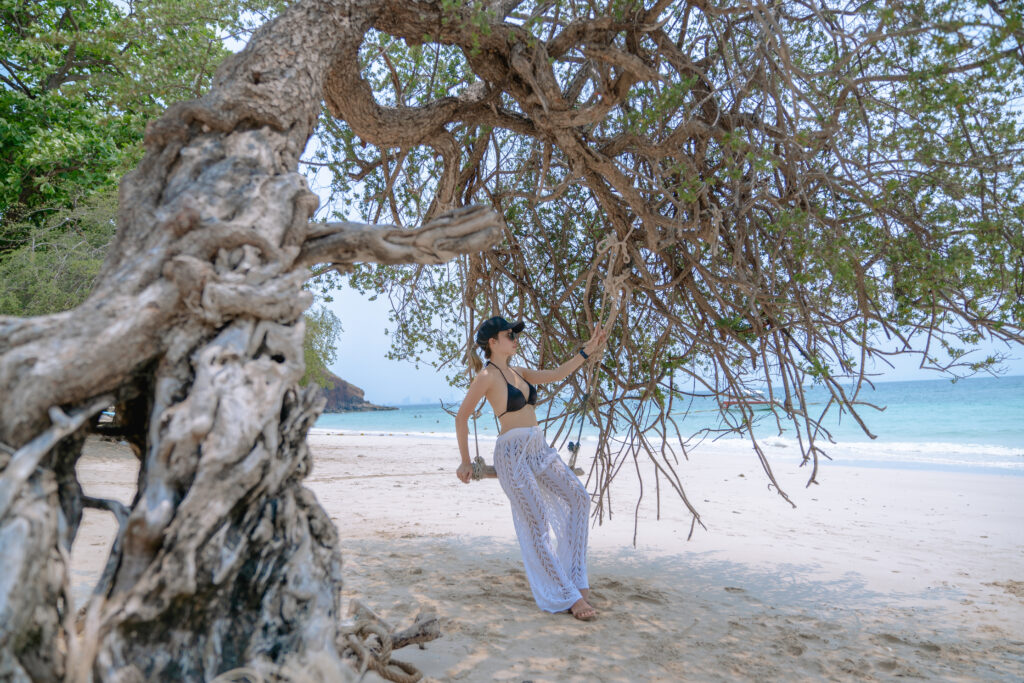
Phuket is one of the top destinations in Thailand to host a beachfront event. But before you book a beachfront event venue in Phuket, there are important details you need to consider — from tide timing and permits to guest comfort. Beautiful scenery is just the beginning; smart planning ensures your event runs smoothly. Here are three essential things you should know before choosing a beachfront event venue in Phuket: 1. Tides and Seasonal Weather Affect the Setup The beach is a dynamic environment. Tides change throughout the day, which can impact how much space is available during your event. A spot that looks perfect in the afternoon might be too close to the water or unusable at another time. Seasonal weather is also a key factor. Phuket’s dry season (November to April) is best for outdoor events. The green season (May to October) brings more rain and wind, which can affect both comfort and safety. Make sure your venue offers covered or indoor alternatives, especially for events held during the rainy season. 2. Sound Systems, Lighting, and Permits Need to Be Confirmed Open-air beachfront spaces can make it difficult to control sound. Wind and waves interfere with speeches and music. It’s important to ask the venue if they provide high-quality sound systems and whether they’ve handled similar events before. Lighting is another must-have. Natural light fades quickly after sunset. If your event continues into the evening, make sure the venue includes sufficient lighting for key areas such as entrances, stages, and dining zones. Also, confirm that the venue has the proper permits, especially if your event involves amplified sound, alcohol service, or performances. A reliable venue or local planner should handle this, but don’t assume — ask in advance. 3. Accessibility and Guest Comfort Are Critical Some beachfront venues in Phuket look impressive in photos but are difficult to access in practice. If guests have to walk far in the heat, across sand, or down narrow paths, it can cause unnecessary stress — especially for formal events or elderly guests. Check for proper access, parking areas, paved paths, and basic facilities like restrooms, shaded seating, and lighting. If the event is after dark, insect control and emergency support are also worth considering. Not every beach venue in Phuket offers full event infrastructure, so it’s important to review these details before signing a contract. ✅ Plan Ahead and Choose with Confidence A beachfront event in Phuket can be a great experience — but only when the details are well managed. Consider the tide, weather, sound setup, permits, and accessibility when choosing your venue. The right location will support your event, not limit it.