Planning a group trip to Thailand? Whether it’s a business retreat, a wedding celebration, or a student exchange, understanding Thai culture for group travel is essential to creating a smooth, respectful, and truly enriching experience for everyone involved.
Thailand is often called the “Land of Smiles,” but behind each smile lies a rich tradition of politeness, respect, and social harmony. This guide highlights the most important aspects of Thai culture for group travel, so your experience is not just enjoyable — it’s culturally meaningful, too.
1. Respect is Deeply Rooted (Even When It’s Not Spoken Aloud)
In Thai society, people value “saving face,” which means avoiding confrontation, criticism, or anything that causes embarrassment — especially in public. Instead of direct arguments or raised voices, Thais prefer calm and respectful interactions.
For group travelers, this means it’s especially important to remain composed in unexpected situations. If a delay, miscommunication, or frustration arises, encourage your group to address it politely and quietly. A calm approach is not just appreciated — it’s often the fastest way to get help.
2. The Wai: A Gesture That Shows Grace and Respect
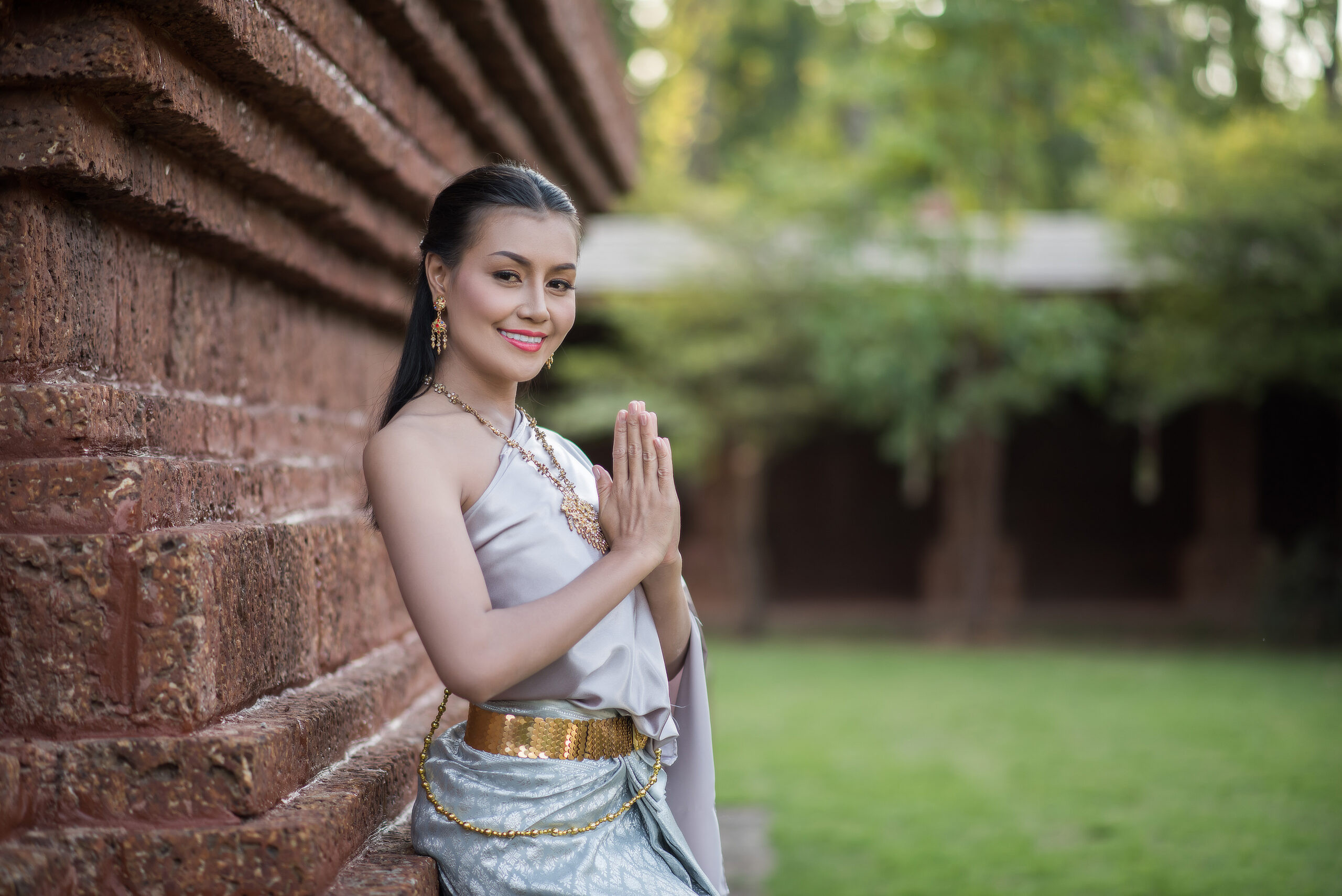
The wai is the traditional Thai greeting. You place your palms together (like in prayer) and bow your head slightly. It’s usually accompanied by “Sawasdee ka” (for women) or “Sawasdee krap” (for men), which means “hello.”
Wai is not just about saying hello. It shows respect — especially to elders, people in authority, and those who serve you.
Encourage your group to return the wai when someone offers it. It’s not required in every situation, but learning how and when to use it shows cultural awareness and earns warm smiles in return.
3. Take Off Your Shoes — It’s a Cultural Norm, Not a Rule
In Thailand, it’s common to remove shoes before entering homes, temples, and even some shops, cafes, or massage studios. It’s about hygiene — but also respect.
For group visits to temples or local homes, it’s helpful to plan ahead. Remind everyone to wear shoes that are easy to slip on and off. And one important rule: never point your feet at anyone, especially at Buddha images or people. Feet are considered the lowest part of the body — both physically and symbolically.
4. Dress with Modesty — Especially at Temples
Thailand’s weather is hot and humid, but temples and religious sites still require respectful attire.
Your group should avoid clothing that reveals shoulders, cleavage, or thighs. Short shorts, sleeveless tops, and beachwear are not appropriate — even if the site is popular with tourists.
Many temples have sarongs or cover-ups available for rent, but it’s wise to bring your own. A lightweight scarf or large shawl can work for shoulders, and long pants or a wrap skirt is perfect for the lower body.
5. The Royal Family and Buddhism Are Sacred
In Thai culture, the royal family and Buddhism are treated with the utmost reverence. Any comment or behavior seen as disrespectful — even if unintentional — can have serious consequences, both socially and legally.
That means:
- Never joke about the King or royal family
- Always treat Buddha images with respect — don’t climb, touch, or pose playfully beside them
- Speak softly and dress modestly when visiting temples
Make sure your group understands these sensitivities before visiting any sacred site.
6. Tipping Isn’t Mandatory — But It’s a Kind Gesture
Unlike countries like the U.S., Thailand doesn’t have a strong tipping culture. However, small tips are appreciated, especially in the hospitality and tourism sectors.
If your group receives good service — from drivers, hotel staff, guides, or massage therapists — offering 20 to 50 baht (around $1–2 USD) is a thoughtful way to say thanks. It’s not expected, but it is always welcomed.
7. “Yes” Doesn’t Always Mean “Yes”
Thai people often avoid saying “no” directly, especially to avoid causing discomfort or embarrassment. So if someone says “yes,” it might actually mean “I’m not sure” or “I’d rather not say no.”
This can sometimes confuse foreign travelers. To avoid misunderstandings, use clear and simple questions, ask follow-ups if needed, and don’t take agreement as confirmation unless it’s clearly stated. Encourage your group to listen patiently and double-check important details like meeting times or transportation.
8. Thai Food Is Meant to Be Shared — and It Can Be Spicy!
Eating in Thailand is a social affair. Dishes are served in the center and shared by the group, not ordered individually. It’s a wonderful way to try many flavors and experience the full variety of Thai cuisine.
But beware: Thai spicy is different from Western spicy! If your group isn’t used to strong chili heat, teach them to say:
- “Mai phet” = not spicy
- “Phet nit noi” = a little spicy
Also, don’t be surprised if locals laugh kindly when foreigners struggle with chili — it’s all part of the fun.
9. Smiles Say More Than Words
In Thailand, a smile can express many emotions — friendliness, gratitude, embarrassment, even apology. It’s not just a gesture of happiness, but a way to keep interactions smooth and respectful.
For group travelers, encouraging a relaxed attitude and open smiles helps create better interactions with locals. Sometimes, a smile solves more than words can.
10. Embrace the Differences — Don’t Judge Them
Thailand’s cultural rhythm may feel different — from slower service times to flexible interpretations of “on time.” These aren’t problems. They’re simply another way of living.
Help your group see cultural differences with curiosity instead of criticism. Whether it’s how people drive, how food is served, or how problems are handled, the goal is not to compare but to understand.
Every cultural quirk is a window into the soul of the country. And when you travel with an open mind, you gain more than memories — you gain connection.
🌏 Final Thought: Cultural Awareness Makes Travel Meaningful
Learning about Thai culture for group travel isn’t about memorizing rules. It’s about building respect, showing gratitude, and experiencing Thailand in its most authentic form.
When your group approaches Thai culture with humility and openness, they don’t just visit a destination — they form genuine bonds with the people and spirit of the place.
🧭 Want Help Planning a Group Trip That Respects Thai Culture?
At Andaman Passion, we specialize in organizing immersive group experiences that are fun, seamless, and culturally respectful. Whether you’re planning a corporate retreat or a once-in-a-lifetime holiday, we’ll help you do it right.